

A $171 billion industry growing at 6.3% annually. Full-year 2024 demand up 11.3%, the strongest growth in recent memory. And inside that surge, a parallel acceleration: cargo theft up 27%, lithium battery thermal runaway incidents up 28% over five years, 27 publicly reported cyberattacks on logistics operators in a single twelve-month window.
Air cargo risk management is the discipline that sits between those two curves. Growth pulls more value into the sky. Risk follows the value. The operators who treat risk management as a compliance checkbox (something the safety department handles) are the ones absorbing six and seven-figure losses at the handoff points nobody watches.
I want to break down where the real exposure lives today, what the insurance layer actually covers (and what it doesn’t), and where technology fills gaps that process alone cannot close.
What Air Cargo Risk Management Actually Covers
Air cargo risk management is the end-to-end discipline of identifying, mitigating, transferring, and monitoring risks across every stage of the air freight value chain: shipper origin, ground handling, warehousing, tarmac transfer, in-flight operations, customs clearance, and final delivery.
It operates on three pillars:
- Regulatory compliance: ICAO Annex 17 (aviation security), IATA Dangerous Goods Regulations, TSA cargo screening mandates, EU GDP guidelines for temperature-sensitive goods.
- Risk transfer: all-risk cargo insurance, parametric covers for delay, carrier liability caps under the Montreal Convention.
- Operational controls: known-shipper vetting, physical security, environmental monitoring (temperature, humidity, shock), real-time GPS/IoT visibility, cybersecurity architecture.
Most operators over-index on the first pillar (compliance is auditable) and under-invest in the third (operational controls are harder to measure until something breaks). That imbalance is where the billions go.
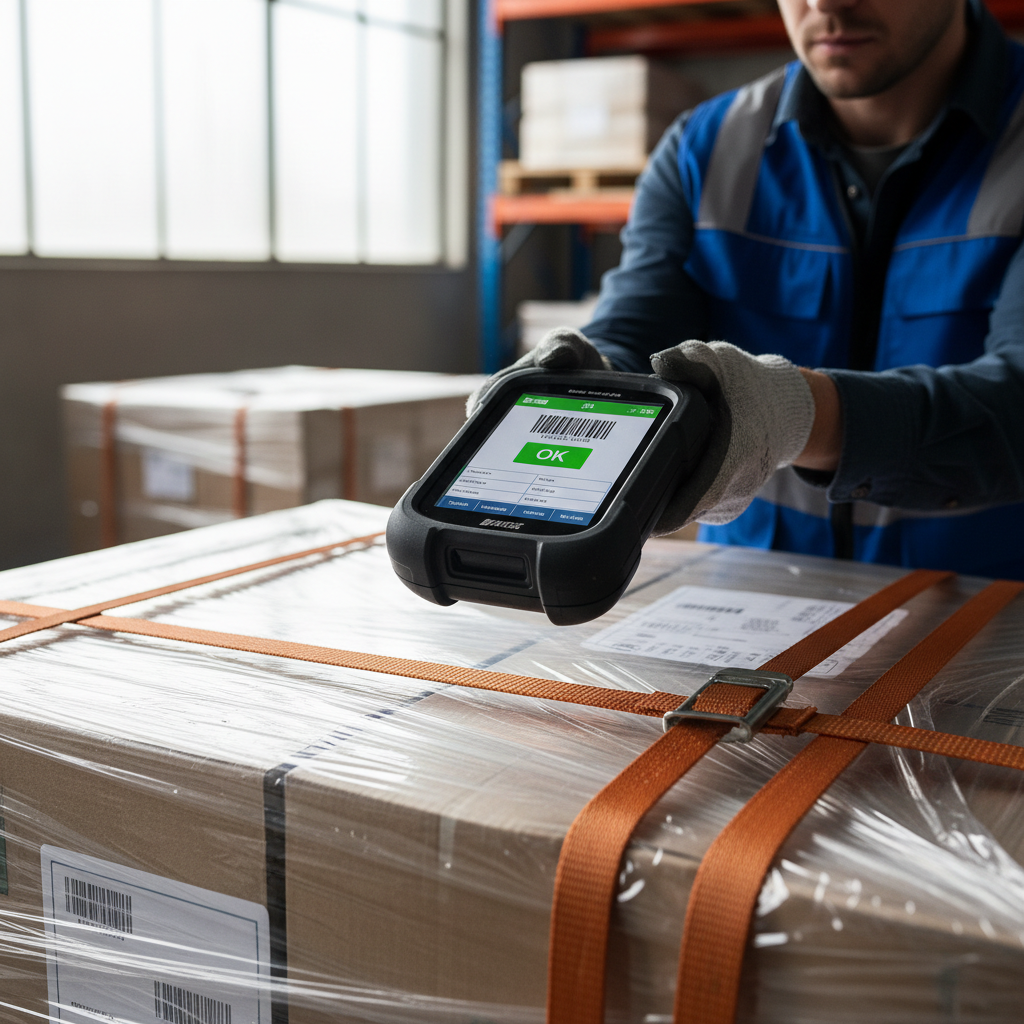
The 6 Risk Categories Reshaping Air Freight
1. Lithium Battery Thermal Runaway
This is the single fastest-rising safety threat in air cargo. Thermal runaway incidents rose 28% between 2019 and 2023 across 35 airlines participating in the UL Standards TRIP database, averaging two events per week. E-cigarettes caused 35% and power banks 16% of all passenger-cabin incidents in 2023. Fifteen percent escalated to actual fire or explosion.
The regulatory response (IATA’s push to strengthen Annex 18, the DOT’s Lithium Battery Air Safety Advisory Committee) is moving, but slowly. Operational reality: your screening process needs to catch undeclared lithium batteries. Your chain of custody needs to identify which ULD contains what. Because when a thermal event happens at 35,000 feet, “we didn’t know” is not a risk mitigation strategy.
2. Weather Disruption
Each minute of aircraft delay costs approximately $75, and the US Bureau of Transportation Statistics attributes 33% of all delays to weather. That puts total annual weather-related delay costs above $1 billion in the US alone.
A single winter storm (Storm Izzy, January 2022) grounded over 1,200 American flights and cut cargo flight density 6% to 14% across Memphis, Atlanta, and Charlotte. UPS and Atlas Air saw daily operations halved at Atlanta. For time-critical pharma or perishables, those hours translate directly to spoilage claims.
3. Geopolitical Shocks
When ocean routes collapse, air absorbs the overflow overnight. After Houthi attacks on Red Sea shipping, Vietnam-to-Europe air cargo volumes spiked 62% in a single week. Global air cargo rose 10% year-on-year in January 2024. Air freight rates on that corridor climbed 10% week-over-week.
The Cape of Good Hope rerouting adds 10 to 15 days to ocean transit, and that gap gets filled by air charters at premium rates, often with less time for proper risk assessment on the cargo being loaded. Russia-Ukraine airspace restrictions pushed flight costs up 13.3% for over 6% of global international flights. These aren’t one-off events anymore. They’re the new baseline.
4. Cargo Theft
Cargo theft losses increased 27% in 2024 and are projected to climb another 22% in 2025. The average stolen shipment is now valued between $202,000 and $312,000. California accounts for 36% of US incidents in some quarters, with Texas, Illinois, Florida, and Washington clustering behind it.
Targeted industries: electronics, pharmaceuticals, food and beverage, apparel. The sophistication is rising too. Strategic theft (identity fraud, fictitious pickups) is growing faster than opportunistic grab-and-go. If you can’t verify location and chain of custody at every handoff point between warehouse and aircraft, you have a gap a thief will find.
5. Cyberattacks
Twenty-seven publicly reported cyberattacks hit transport and logistics between July 2023 and July 2024. Three cases define the playbook: LockBit 3.0 shut down the Port of Nagoya for two days. DP World Australia went offline for three days, leaving a 30,000-container backlog. The Rhysida group left the Port of Seattle offline for roughly three weeks in August 2024.
Air cargo’s interconnectedness (airlines, airports, handlers, forwarders, customs brokers all sharing EDI and API connections) makes it uniquely vulnerable to lateral movement. A breach at one handler can cascade through the entire air waybill chain.
6. Regulatory Non-Compliance (Dangerous Goods)
The IATA Dangerous Goods Regulations (67th edition, effective January 2026) is 1,000+ pages of classification, marking, packing, labeling, and documentation requirements. The TSA mandates 100% screening of cargo on passenger aircraft. Known Shipper enrollment under 49 CFR parts 1544, 1546, and 1548 is required for all cargo on passenger flights.
Non-compliance isn’t just a fine. It’s a grounded shipment, a seized consignment, or worse: a mid-air incident that triggers an industry-wide audit of your operations. For dangerous goods, the cost of getting it wrong is existential.
What Cargo Insurance Actually Covers (and Where It Stops)
The default liability regime under the Montreal Convention caps carrier responsibility at approximately $20 per kilogram. For a pallet of semiconductors or biologics, that’s functionally worthless.
To bridge the gap, shippers buy all-risk air cargo insurance. Typical premiums run 0.3% to 0.5% of declared commercial invoice value, with shipment-based pricing ranging from 0.1% to 2% depending on commodity and route risk. The global cargo insurance market is expanding from $71.4 billion (2022) toward $106 billion by 2032, with air cargo insurance growing fastest at 6.65% CAGR.
Pay-as-you-go options (like Flexport Insurance Solutions, which requires A-rated carriers per A.M. Best standards) have made coverage more accessible. Otonomi launched the first blockchain-powered parametric air freight insurance platform in 2022, using Chainlink oracles and OAG flight data to automate payout on predefined triggers like cancellation or delay thresholds.
Here’s what most operators miss: insurance is risk transfer, not risk elimination. It pays after the loss. It doesn’t prevent the pharmaceutical shipment from hitting 25°C on a tarmac in July. It doesn’t stop the forklift impact that cracks a ULD of electronics. It doesn’t restore the three weeks of production downtime your customer absorbs while you file the claim.
The operators running mature air cargo risk management programs use insurance as the last layer, not the first.
Where Technology Closes the Visibility Gap
Five technology layers now define best-in-class air cargo risk management:
Real-time location and chain of custody. GPS, cellular, and GNSS trackers embedded at the ULD or pallet level give continuous position data from origin warehouse through tarmac, flight, and destination. This isn’t just “where is my shipment?” It’s proof of custody at each handoff. When a theft claim requires demonstrating exactly where and when the chain broke, real-time cargo tracking data is the difference between a paid claim and a denied one.
Environmental monitoring. IoT sensors measuring temperature, humidity, shock, and tilt in real time. For pharma (2-8°C cold chain), perishables, and electronics, these sensors don’t just record excursions. They trigger alerts before damage is irreversible. EU GDP Guidelines combined with IATA CEIV Pharma certification now effectively require continuous monitoring and CAPA workflows for deviations.
Predictive ETA and exception management. Platforms fusing air traffic data, weather feeds, and historical pattern analysis generate predictive ETAs rather than static schedules. When a weather system threatens your Memphis hub, you know 12 hours before the delay hits, not 12 hours after.
AI-driven documentation and compliance. AI is delivering up to 20% operational efficiency gains, 30% tracking-accuracy improvements, and 25% better regulatory adherence in documented pilots. Automated AWB validation, computer-vision cargo inspection, and predictive volume forecasting reduce the human-error surface that creates compliance risk.
Digital data sharing (ONE Record). IATA’s ONE Record standard is on track to become the preferred method of sharing air cargo data by January 2026, with airlines representing 72% of global AWB volume aligned and more than 100 IT providers and 10,000 freight forwarders on board. Standardized, interoperable data eliminates the document-mismatch errors that cause customs holds, mislabeling incidents, and chain-of-custody disputes.
The Blind Spot: Handoff Points
Here is where I see the gap most often in working with airlines, MRO operations, and freight forwarders.
Most air cargo risk management programs are built around the flight. Security screening before loading. Dangerous goods compliance for the hold. Insurance covering the air transit. That’s all necessary. But it’s not where most losses actually happen.
Losses cluster at transitions:
- Warehouse to tarmac. Cargo sits on an apron in direct sun. A cold-chain pharma pallet spends 90 minutes at ambient because the ground handler was short-staffed. Tarmac temperatures can sit 50°F higher than ambient. No sensor, no alert, no record.
- Tarmac to aircraft. A ULD gets bumped during loading. The shock exceeds the threshold for sensitive electronics inside. Without an accelerometer logging the event, the damage surfaces at destination and nobody can pinpoint responsibility.
- Aircraft to destination warehouse. Cargo clears customs in 10 days instead of 2 (common in certain jurisdictions). Temperature control evaporates. Location visibility goes dark. The shipment reappears in your system only when the consignee raises a complaint.
These handoff points are the operational dollar sink. They’re also exactly where asset-level IoT visibility pays for itself. Not “shipment tracking” that ends when the AWB shows delivered. Asset tracking that follows the cargo, the container, and the ULD through every transition, with condition data logging continuously whether anyone is watching or not.
The distinction matters. Shipment tracking tells you the job is done. Asset tracking tells you what happened along the way, and flags when something is going wrong before the damage becomes a claim.
Building a Risk Framework That Fits Your Operation
The academic gold standard is the House of Risk (HOR) framework, developed by Pujawan and Geraldin and published as a proactive supply chain risk management model. It combines Failure Mode and Effects Analysis with Quality Function Deployment to rank risk agents by aggregate potential, then prioritize mitigating actions by cost-effectiveness.
In practice, for air cargo operators who need something workable this quarter (not next fiscal year), the framework simplifies to four steps:
- Map your handoff points. Every physical or digital transfer of custody is a risk node. List them. You probably have more than you think.
- Score by frequency and financial exposure. A risk that hits once a year at $50K matters less than one hitting weekly at $5K. Aggregate annual exposure, not single-event severity, drives priority.
- Match controls to gaps. Some gaps need process (training, SOPs, audits). Some need technology (sensors, GPS, automated alerts). Some need insurance. Most need a combination. The question is always: what’s the cheapest intervention that reduces this exposure by 80%?
- Measure cycle time, not just incidents. Risk management success isn’t “fewer claims filed.” It’s shorter dwell times at vulnerable handoff points, faster exception response, fewer days between event and detection. If your average time-to-awareness for a temperature excursion is 72 hours, your first investment should cut that to minutes.
The operators I work with who get this right share a common trait: they stop treating risk management as a cost center and start measuring it in operational dollars recovered. A single avoided pharmaceutical spoilage event ($200K+ for a biologic pallet) pays for two years of IoT sensor deployment across the entire operation.
Three Outcomes That Justify the Investment
- Claims reduction with evidence. When you have continuous location and condition data, disputed claims resolve in days, not months. Insurers prefer clients who bring data to the table. Premiums reflect that preference.
- Dwell-time compression. Visibility into where assets sit idle (on a tarmac, in a customs queue, at a ground handler) lets you intervene before the delay compounds. For cold-chain cargo, this is the difference between a viable shipment and a write-off.
- Regulatory confidence. Continuous monitoring generates the audit trail that regulators want to see. CEIV Pharma certification, TSA compliance, EU GDP adherence: all become easier to demonstrate when the data exists automatically, not reconstructed after the fact.
Air cargo risk management in 2026 is not a document you file. It’s an operational capability you build, layer by layer, starting at the points where your cargo is most exposed and least watched.
If your containers and ULDs go dark between warehouse and aircraft, that’s the gap worth closing first. Our team works with airlines, freight forwarders, and MRO operations to deploy airfreight-approved tracking (including DO-160 certified devices) that fills exactly that blind spot. If you want to talk specifics, reach out here or email info@datanetiot.com.

Frequently Asked Questions
What is air cargo risk management?
It is the discipline of identifying, mitigating, transferring, and monitoring risks across the entire air freight value chain, from shipper origin through ground handling, in-flight operations, customs, and final delivery. It combines regulatory compliance (ICAO Annex 17, IATA DGR, TSA programs), operational controls (screening, IoT monitoring, chain-of-custody verification), and risk transfer (cargo insurance, parametric covers).
How much does air cargo insurance cost?
All-risk air freight insurance typically costs 0.3% to 0.5% of the declared commercial invoice value. Shipment-based pricing ranges from 0.1% to 2% depending on commodity, route hazard, and coverage scope. The Montreal Convention carrier liability cap ($20/kg) makes supplemental coverage essential for any cargo of meaningful value.
What are the biggest air cargo risks in 2026?
The six leading categories are: lithium battery thermal runaway (28% incident increase over five years), weather disruption ($75/minute delay cost), geopolitical rerouting shocks (Red Sea crisis drove 62% air-volume spikes), cargo theft (27% rise in 2024, 22% more projected for 2025), cyberattacks on interconnected logistics platforms (27 reported events in 12 months), and dangerous goods regulatory non-compliance.
How does IoT reduce air cargo risk?
IoT sensors embedded at the container or ULD level provide continuous location, temperature, humidity, and shock data through every handoff point. This enables real-time alerts before damage becomes irreversible, creates an evidence trail for insurance claims, and compresses the gap between a risk event occurring and the operator becoming aware of it, from days to minutes.
What is IATA ONE Record and why does it matter for risk?
ONE Record is IATA’s data-sharing standard targeting universal adoption by January 2026, with airlines representing 72% of global AWB volume already aligned. It standardizes cargo data across stakeholders, eliminating document-mismatch errors that cause customs holds, mislabeling incidents, and chain-of-custody disputes. For risk management, it means fewer manual touchpoints where human error introduces exposure.
Can AI help manage air cargo risk?
Yes. Documented pilots show AI delivering 20% operational efficiency gains, 30% improvement in tracking accuracy via IoT data fusion, 25% better regulatory adherence, and route optimization reducing fuel use by 10% and delays by 15%. The primary applications are automated documentation validation, predictive exception management, and computer-vision cargo inspection.






 +1 508 292 2210

One Response